

Wine & Olive Tasting
Farm-to-Table Experiences



Discover the Flavors of Kos: Wine & Olive Tasting
Kos is not only famous for its stunning beaches and ancient ruins but also for its rich agricultural traditions. The island has been producing wine and olive oil for thousands of years, with methods passed down through generations. Wine lovers and food enthusiasts visiting Kos will find picturesque vineyards and traditional olive groves, where they can experience authentic flavors while learning about the island’s deep-rooted agricultural heritage.
In this guide, we will explore:
- The history of wine & olive production in Kos
- Why Kos is an ideal place for wine and olive oil tasting
- The unique grape varieties and olive cultivars of the island
A Brief History of Wine & Olive Oil in Kos
1. Wine: A Tradition Dating Back to Ancient Greece
Kos has a long history of winemaking, dating back to antiquity. Ancient Greek texts mention Kos wine as a highly sought-after export in the Mediterranean, with its distinctive aroma and full-bodied flavor.
Kos' wine tradition includes:
- Viticulture since the 5th century BC, influenced by Hippocrates, who praised wine for its medicinal properties.
- Export of Kos wines to ancient Rome and other regions.
- Production of sweet, aromatic wines, similar to those found in neighboring islands like Rhodes.
💡 Tip: While visiting Kos, don’t miss the chance to taste wines made from the same grape varieties cultivated in antiquity!
2. Olive Oil: The Liquid Gold of the Aegean
Olive trees thrive in the Mediterranean climate of Kos, producing some of the finest extra virgin olive oil in Greece. Olive cultivation on the island dates back to the Minoan period, and olive oil remains a staple of local cuisine.
Kos' olive oil tradition includes:
- Hand-harvested olives to maintain their rich flavor and high nutritional value.
- Cold-pressed methods that preserve the oil’s natural properties.
- Aromatic olive oils infused with local herbs, such as rosemary and oregano.
💡 Tip: Many local farms offer olive oil tastings, where you can sample different varieties and learn how to distinguish premium-quality olive oil.
Why Kos is Perfect for Wine & Olive Tasting
1. Ideal Climate & Soil Conditions
Kos’ Mediterranean climate, fertile volcanic soil, and mild winters create the perfect environment for vineyards and olive groves to flourish. The island’s cool coastal breezes help maintain the balance between sugar and acidity in the grapes, resulting in rich and flavorful wines.
2. Family-Owned Wineries & Olive Farms
Unlike large-scale commercial production, Kos is home to small, family-owned wineries and olive oil producers that focus on quality over quantity. Visitors can meet the producers, learn their traditional methods, and enjoy personalized tasting experiences.
3. A Growing Wine Tourism Scene
Kos is quickly becoming a top destination for wine lovers, with local wineries opening their doors to visitors. The island’s wine festivals and tasting events allow guests to experience the diversity of Kos’ wine scene while enjoying breathtaking vineyard views.
🏨 Looking for a stylish and comfortable stay near Kos' best vineyards and olive farms? Koasis Boutique Apartments is the perfect place to relax after a day of wine and olive tasting!
Discover the Best Wineries & Olive Farms in Kos
Kos is home to a variety of vineyards and olive groves, each offering unique tasting experiences. Whether you’re a wine lover eager to sample indigenous Greek grape varieties or an olive oil enthusiast wanting to learn about traditional pressing techniques, Kos provides an authentic farm-to-table experience.
In this section, we will cover:
- The top wineries in Kos and their signature wines
- The best olive farms and their traditional production methods
- What makes each location special for visitors
Top Wineries to Visit in Kos
Kos has a growing wine scene, with family-run wineries producing exceptional wines that reflect the island’s unique terroir.
1. Triantafyllopoulos Winery
Location: Zipari, Kos
- Why Visit? A state-of-the-art winery blending modern techniques with tradition.
- Signature Wines:
- Chardonnay Kos PGI – A rich, barrel-aged white wine with notes of vanilla and citrus.
- Verdea White – A crisp, dry wine made from native Greek grapes.
- Experience:
- Guided vineyard tours explaining Kos’ unique viticulture.
- Wine tastings paired with local cheese and bread.
💡 Tip: Book a tasting in the late afternoon to enjoy breathtaking vineyard views at sunset.
2. Hatziemmanouil Winery
Location: Linopotis, Kos
- Why Visit? A historic, family-run winery with over 100 years of winemaking expertise.
- Signature Wines:
- Asyrtiko White – A dry, refreshing wine with citrus and mineral notes.
- Merlot Reserve – A bold red with flavors of blackberries and spice.
- Experience:
- Wine cellar tours, showcasing traditional aging techniques.
- Wine-pairing sessions with local delicacies.
💡 Tip: Ask about their organic wines, made with minimal intervention techniques.
3. Mesariano Organic Winery
Location: Antimachia, Kos
- Why Visit? A boutique winery specializing in organic, natural wines.
- Signature Wines:
- Aidani & Assyrtiko Blend – A floral and mineral-rich white wine.
- Mandilaria Red – A bold, earthy red wine with deep fruit flavors.
- Experience:
- Hands-on grape harvesting (seasonal).
- Organic wine tastings in a rustic setting.
💡 Tip: Try their unfiltered wines for a taste of pure, raw winemaking.
Top Olive Farms to Visit in Kos
Olive oil production is deeply rooted in Kos’ culture, and visiting a traditional olive farm is one of the best ways to understand the island’s culinary heritage.
1. Melissa Olive Farm
Location: Zipari, Kos
- Why Visit? A family-run farm producing high-quality extra virgin olive oil.
- Experience:
- Olive harvesting tours (seasonal).
- Tastings of cold-pressed olive oil with homemade bread.
- Workshops on traditional Greek olive oil production.
💡 Tip: Purchase fresh olive oil directly from the farm—the flavor is unbeatable!
2. Kefalos Olive Grove
Location: Kefalos, Kos
- Why Visit? A scenic olive grove with trees over 500 years old.
- Experience:
- Guided walks through the olive orchards.
- Olive oil tastings paired with Greek mezze.
- Learn how olives are pressed and stored using traditional methods.
💡 Tip: Ask about their herb-infused olive oils, such as rosemary and lemon blends.
3. Papadimitriou Olive Estate
Location: Kos Town
- Why Visit? A modern olive oil estate with a focus on sustainable farming.
- Experience:
- Olive oil & balsamic vinegar tastings.
- Cooking demonstrations using fresh olive oil.
- Insightful presentations on the health benefits of Greek olive oil.
💡 Tip: Bring home a bottle of their limited-edition extra virgin olive oil as a unique souvenir.
How to Choose the Best Wine & Olive Tasting Experience in Kos
| Experience | Best For | Recommended Locations |
|---|---|---|
| Vineyard Tours & Wine Tastings | Wine lovers, couples, scenic views | Triantafyllopoulos Winery, Hatziemmanouil Winery |
| Organic & Natural Wines | Eco-conscious travelers, wine enthusiasts | Mesariano Organic Winery |
| Olive Oil Tastings | Food lovers, culinary enthusiasts | Melissa Olive Farm, Kefalos Olive Grove |
| Olive Oil Production Workshops | Cultural explorers, families | Papadimitriou Olive Estate |
💡 Tip: If you’re short on time, choose a tour that combines wine & olive oil tastings for the best of both worlds.
🏨 Looking for accommodation near Kos' top wineries and olive farms? Koasis Boutique Apartments offers stylish stays close to the island’s best tasting experiences!
What to Expect from a Wine & Olive Oil Tasting Experience in Kos
If you’re visiting Kos and looking for an authentic and immersive experience, a wine and olive oil tasting tour is a must. Whether you choose a scenic vineyard, a traditional olive grove, or a family-run farm, you’ll have the chance to sample some of the island’s finest flavors while learning about the deep-rooted traditions behind them.
In this section, we will explore:
- What happens during a wine and olive oil tasting experience
- How to properly taste wine and olive oil like a professional
- What to look for when selecting premium-quality products
Step-by-Step Guide to a Wine Tasting in Kos
Each winery in Kos offers a unique tasting experience, but most follow a general structure that helps guests appreciate the flavors, aromas, and characteristics of each wine.
1. Vineyard Tour & Introduction to Winemaking
Before tasting, many wineries offer a short tour of their vineyards and cellars. Here’s what you can expect:
- Walk through the vineyard, where experts explain how different grape varieties are cultivated.
- Learn about Kos' climate and soil conditions that influence the wine’s taste.
- Discover traditional vs. modern winemaking techniques used in local wineries.
💡 Tip: If visiting in September or October, you might get the chance to see (or even participate in) the grape harvest!
2. Wine Tasting Session: Engaging Your Senses
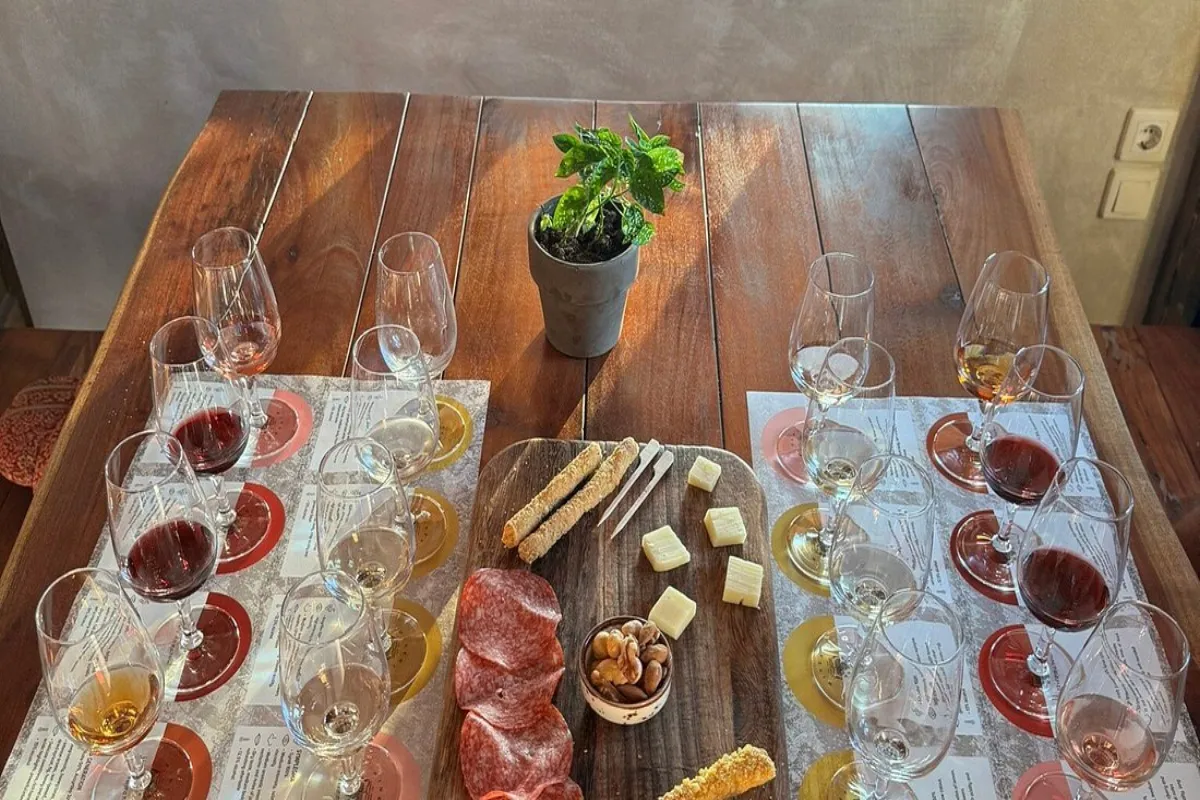
Once you’re settled in a tasting room or scenic outdoor space, the wine tasting begins. Each tasting typically includes 3-5 different wines, often paired with local cheese, olives, or fresh bread.
How to Properly Taste Wine:
- Look: Observe the color and clarity of the wine in a glass.
- Swirl & Smell: Gently swirl the wine and inhale its aroma—notes of citrus, berries, or oak may be present.
- Sip & Savor: Take a small sip, let the flavors settle on your palate, and notice the acidity, tannins, and aftertaste.
Typical Wines You’ll Taste in Kos:
- Asyrtiko White – Crisp and mineral-rich, perfect for seafood pairings.
- Malagouzia White – Floral and aromatic, with hints of tropical fruit.
- Mandilaria Red – A bold, earthy red wine, often aged in oak barrels.
💡 Tip: Ask the winemaker about food pairings to learn how to enjoy each wine at home!
Step-by-Step Guide to an Olive Oil Tasting in Kos
Just like wine, olive oil tasting is a sensory experience that allows you to appreciate the depth of flavors in high-quality extra virgin olive oil.
1. Introduction to Olive Farming & Production
- Tour the olive groves and learn about different olive tree varieties.
- See how olives are harvested and pressed to extract pure olive oil.
- Discover the importance of cold-pressed methods for maintaining flavor and nutrients.
💡 Tip: Some farms let visitors pick olives straight from the trees, offering a hands-on experience!
2. Olive Oil Tasting: How to Recognize Quality
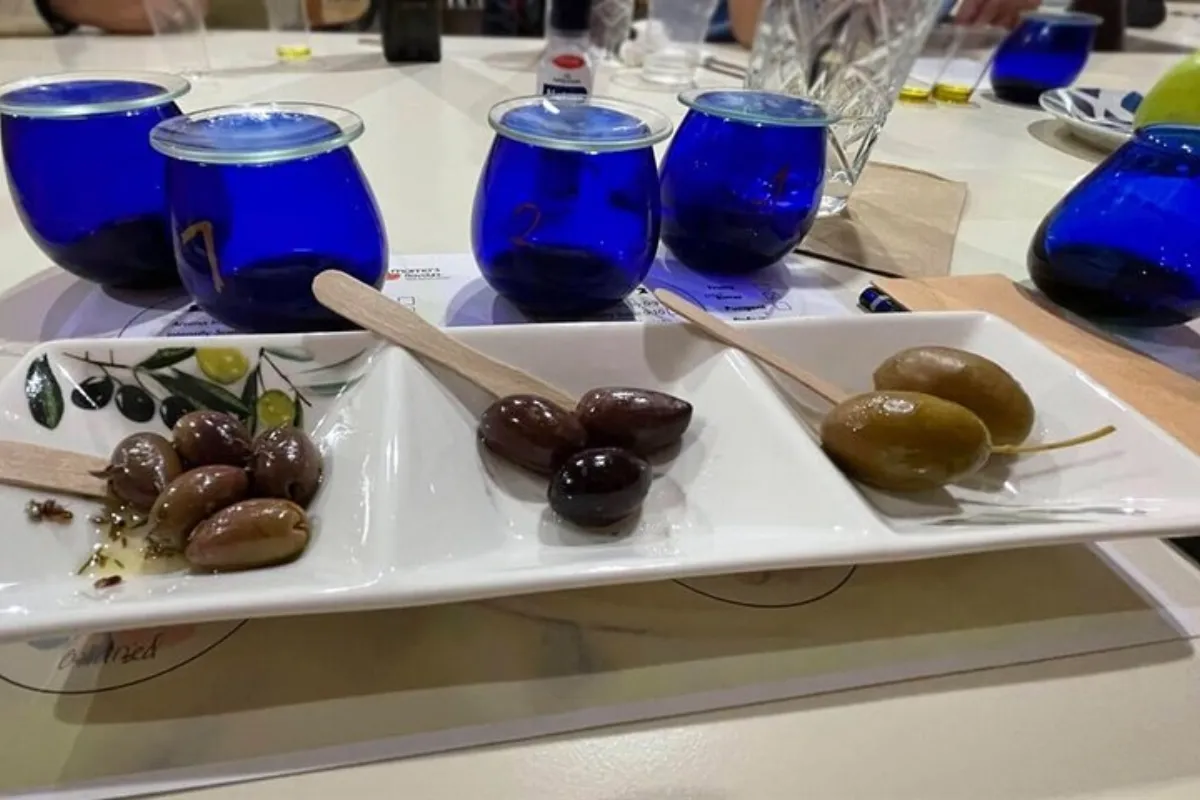
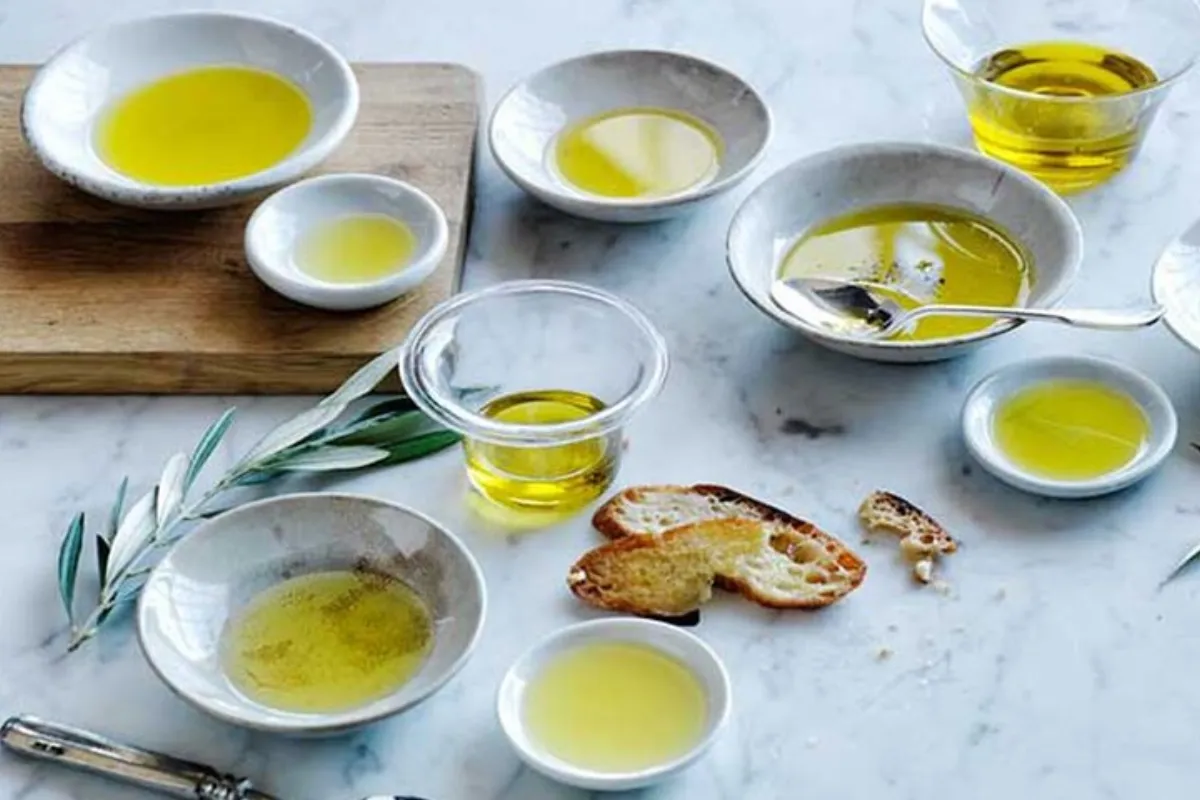
After learning about the production process, you’ll be guided through an olive oil tasting session, where you’ll sample different types of extra virgin olive oil.
How to Properly Taste Olive Oil:
- Pour & Warm: A small amount of olive oil is poured into a tasting cup and warmed slightly with your hands.
- Smell: Inhale deeply—you should notice fresh, grassy, or fruity aromas.
- Sip & Savor: Take a small sip, letting it coat your tongue before swallowing. High-quality olive oil should have a smooth texture with a slight peppery finish.
Types of Olive Oil You Might Taste in Kos:
- Classic Extra Virgin Olive Oil – Smooth and slightly peppery, ideal for salads.
- Infused Olive Oil – Blended with rosemary, garlic, or lemon for unique flavors.
- Unfiltered Olive Oil – Cloudier in appearance but packed with nutrients and bold taste.
💡 Tip: The spicier the olive oil, the fresher and higher in antioxidants it is!
Food Pairings & Extras: Making the Most of Your Tasting Experience
Wine and olive oil tastings in Kos often include local food pairings, giving you a full farm-to-table experience.
Common Food Pairings:
- Freshly baked bread – A perfect base for olive oil dipping.
- Greek cheese (Feta, Graviera, or Manouri) – Paired with red or white wines.
- Sundried tomatoes & olives – A great match for rich, fruity wines.
- Homemade dips (Tzatziki, Olive Tapenade) – Often served alongside fresh olive oil tastings.
💡 Tip: Ask your host for recipes and tips on how to use olive oil and wine in Greek cooking.
🏨 Looking for accommodation near Kos' best wineries and olive farms? Koasis Boutique Apartments is the perfect base for a relaxing stay after a day of tastings!
The Perfect Pairing: Kos Wines & Olive Oils with Local Dishes
A wine or olive oil tasting experience in Kos isn’t complete without learning how to pair them with traditional Greek dishes. The island’s rich culinary scene is built on fresh, local ingredients, and the right pairing can elevate flavors, enhance textures, and create unforgettable dining experiences.
In this final section, we will cover:
- Which local dishes pair best with Kos wines
- How to use Kos olive oil in cooking and food pairings
- Tips for recreating Greek flavors at home
Pairing Kos Wines with Traditional Greek Dishes
Greek wines are incredibly food-friendly, making them a perfect complement to local specialties. Here’s a guide to pairing the right Kos wines with popular Greek dishes.
1. White Wines: Crisp & Refreshing Pairings
White wines from Kos are often light, mineral-driven, and aromatic, making them ideal for seafood, salads, and lighter dishes.
Best White Wine Pairings:
-
Asyrtiko White – Pairs well with:
-
Grilled octopus – The wine’s minerality complements the charred flavors.
-
Fresh Greek salad – The crisp acidity enhances the tanginess of feta cheese.
-
Malagouzia White – Pairs well with:
-
Stuffed grape leaves (Dolmadakia) – Enhances the herbal notes of the dish.
-
Fried calamari – Balances the dish’s crispy texture with a floral touch.
💡 Tip: Chill white wines before serving to bring out their fresh, citrusy notes.
2. Red Wines: Bold & Flavorful Matches
Red wines from Kos are rich, earthy, and full-bodied, making them ideal for meat dishes and slow-cooked Greek specialties.
Best Red Wine Pairings:
-
Mandilaria Red – Pairs well with:
-
Lamb with oregano (Arni me Rigani) – The deep tannins cut through the richness of the lamb.
-
Moussaka – Enhances the smoky flavors of eggplant and ground meat.
-
Kotsifali-Mandilaria Blend – Pairs well with:
-
Grilled souvlaki – The robust flavors of the wine stand up to the smoky grilled meat.
-
Kleftiko (Slow-cooked lamb in parchment) – Matches the dish’s depth of flavor.
💡 Tip: Let red wines breathe for 15-30 minutes before serving to unlock their full potential.
3. Rosé Wines: Versatile & Food-Friendly
Rosé wines from Kos offer the best of both worlds, combining the brightness of white wine with the structure of red wine.
Best Rosé Wine Pairings:
- Kos Rosé (Agiorgitiko blend) – Pairs well with:
- Grilled halloumi cheese – The salty cheese balances the fruity notes of the wine.
- Shrimp saganaki (Shrimp cooked in tomato sauce with feta) – The acidity complements the tomato base.
💡 Tip: Serve rosé wines slightly chilled for a refreshing summer pairing.
Pairing Kos Olive Oils with Greek Cuisine
Kos produces some of Greece’s finest extra virgin olive oils, used in everyday Greek cooking. Here’s how to pair different types of olive oil with local dishes.
1. Classic Extra Virgin Olive Oil
- Best for:
- Drizzling over fresh salads (Greek salad, Dakos).
- Marinating meats (Chicken souvlaki, lamb chops).
- Finishing grilled vegetables (Zucchini, eggplant, bell peppers).
💡 Tip: Use cold-pressed extra virgin olive oil raw to preserve its health benefits and rich aroma.
2. Herb-Infused Olive Oils
- Best for:
- Rosemary-infused olive oil – Ideal for roasted potatoes and grilled meats.
- Garlic-infused olive oil – Perfect for pasta dishes and seafood marinades.
- Lemon-infused olive oil – Great for fish dishes and fresh salads.
💡 Tip: Infused olive oils add an extra layer of complexity to simple dishes.
3. Unfiltered Olive Oil
- Best for:
- Dipping with warm bread – Enhances the rich, creamy texture of unfiltered olive oil.
- Rustic dishes like Fasolada (Greek bean soup) – Adds depth and earthiness.
- Traditional Greek stews – Perfect for slow-cooked dishes with hearty vegetables.
💡 Tip: Store unfiltered olive oil in a cool, dark place to preserve its nutrients.
Recreating the Flavors of Kos at Home
Bringing a taste of Kos back home is easy if you follow a few simple steps.
- Purchase local wines and olive oils – Many wineries and olive farms sell bottles you can take home.
- Use Greek ingredients – Pair your olive oil and wine with Greek cheeses, herbs, and fresh vegetables.
- Experiment with Mediterranean recipes – Try making Greek salad, grilled seafood, and roasted lamb using authentic Kos olive oil.
💡 Tip: If you loved a specific wine or olive oil, ask the producer if they ship internationally!
🏨 Looking for accommodation near Kos' best food & wine experiences? Koasis Boutique Apartments offers modern stays near the island’s top wineries, olive farms, and tavernas!