Best Time to Visit Kos, Greece (A Month-by-Month Guide)
Kos is one of those rare destinations that works almost year-round, but when you go shapes the experience more than on most Greek islands. Visit in August and you get a sun-drenched, buzzing island with warm seas and packed beaches. Arrive in late September and you find something quieter: the same warm water, the same clear skies, but the narrow streets of Kos Town are yours again.
This guide covers each season honestly, looking at weather, sea temperature, crowds, prices and what is actually open, so you can choose the timing that fits the kind of trip you want.
April and May: Spring Arrives Early
Kos wakes up faster than most Greek islands. By mid-April, temperatures are consistently in the low-to-mid twenties and the island is visibly coming to life: restaurants opening their terraces, boats returning to the harbour, the old town filling again with its particular mix of locals and early visitors.
The sea in April is still cool, around 18°C, fine for a dip but not yet comfortable for long swims. May changes that noticeably. By the end of the month, water temperatures sit between 21 and 23°C, warm enough for swimming, and the air settles in the mid-to-upper twenties.
What makes spring genuinely appealing is the light. The low angle of the Aegean sun in May gives the island a softness that July photographs cannot match. Beaches like Tigaki, Marmari and the south coast coves have sunbeds out but are never more than pleasantly busy. The best beaches guide covers each one in detail if you want to plan your days around them.
Prices in spring are significantly lower than peak season and availability is excellent. For anyone whose priority is a relaxed, unhurried stay with warm enough weather to be outside all day, May is arguably the best month on the island.
June: The Sweet Spot
June is widely considered the best single month to visit Kos, and it is easy to see why. The sea reaches a comfortable 24–25°C. Daytime temperatures are in the high twenties, evenings are warm without being oppressive, and the island is operating at full capacity without yet being overwhelmed.
The north coast beaches, Tigaki and Marmari, are at their best in early June, before the summer meltemi winds pick up. The south coast stays calm throughout. Kos Town is lively in the evenings, with outdoor restaurants busy but still easy enough to walk into without a reservation.

KOASIS
YOUR STAY IN KOS TOWN
Explore Kos. Stay in the Heart of It.
11 smart boutique apartments in central Kos Town, minutes from the beach, Old Town and ferry ports. Fresh, fully equipped spaces, a smarter stay with the Koasis app, and personal assistance whenever you need it.
 5 Stars
 Featured
 Exceptional
 Excellent
For couples and travellers who want beach days, evening meals and time in the old town without the intensity of July and August, June is the obvious choice.
July and August: High Summer
The peak season on Kos is undeniable in its appeal and equally undeniable in its drawbacks. Sea temperatures peak at around 27–28°C. Beaches are warm and vivid. The island runs at full speed, with everything open late and the harbour busy with boats heading to Nisyros, Kalymnos and beyond.
The compromise is the crowds. Popular beaches fill by mid-morning. Restaurants on the main streets have queues. The meltemi, the strong northerly wind that sweeps the Aegean in summer, hits the north coast beaches regularly in July and August. It is excellent for windsurfers but less ideal for those looking for calm swimming.
If you are travelling with children or in a larger group, peak summer is straightforward: everything is set up for it, transfers are frequent, and the island is at its most vibrant. If you prefer space and ease, you will find the shoulder months more satisfying.
Prices in July and August are at their highest, and rooms in good central locations, particularly in Kos Town, book out early.
September: The Ideal Month for Most Travellers
Ask most people who know Kos well when to visit, and September comes up repeatedly. The logic is straightforward: the sea is at its warmest of the year, still 26–27°C from three months of accumulated summer heat, while the air cools slightly to the low-to-mid thirties in early September and drops to the mid-twenties by the end of the month. Crowds thin noticeably after the first week.
The meltemi eases. The beaches become genuinely comfortable. Restaurants are still fully open but you can walk in without planning ahead. The light shifts in a way that makes the island look its best. The golden hours grow longer, and the famous sunsets over the harbour become more vivid as the season turns.
For anyone who values warm swimming conditions alongside a calmer atmosphere, September is the strongest month on the calendar. The combination rarely exists on a Greek island at this quality.
KOASISBoutique Apartments · Kos TownCheck AvailabilityAccommodation prices begin to drop after the first week of September, making it one of the better-value months too.
October: Quiet, Warm and Underrated
October is a well-kept secret for travellers who want Kos almost to themselves. Temperatures are in the low-to-mid twenties, the sea hovers around 23–24°C, still entirely swimmable, and the island takes on a slower, more authentic rhythm.
Most of the main tourist infrastructure stays open through October: beach bars, rental shops, the majority of restaurants in Kos Town. What closes are the most visitor-facing operations that cater specifically to peak summer. What remains is closer to the daily life of the island itself.
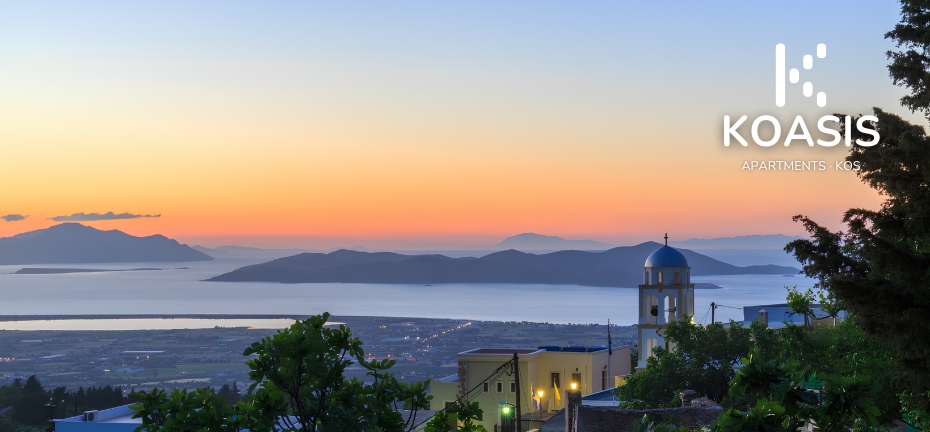
The archaeological sites, the Asklepion and the fish tavernas along the harbour are all better experienced in October than at any point during summer. You can take time with them. A ride up to Zia village for sunset, with almost no one else there, is one of the better evenings the island offers.
Flights and accommodation are at their lowest prices of the open season, and many direct connections from northern Europe still run through mid-October.
November to March: Off Season
Kos is not a year-round holiday destination in the conventional sense. From November, most beach-facing businesses close, connections thin out, and the island returns to its working population of around 35,000. Temperatures drop to the mid-teens in December and January, with occasional rain.
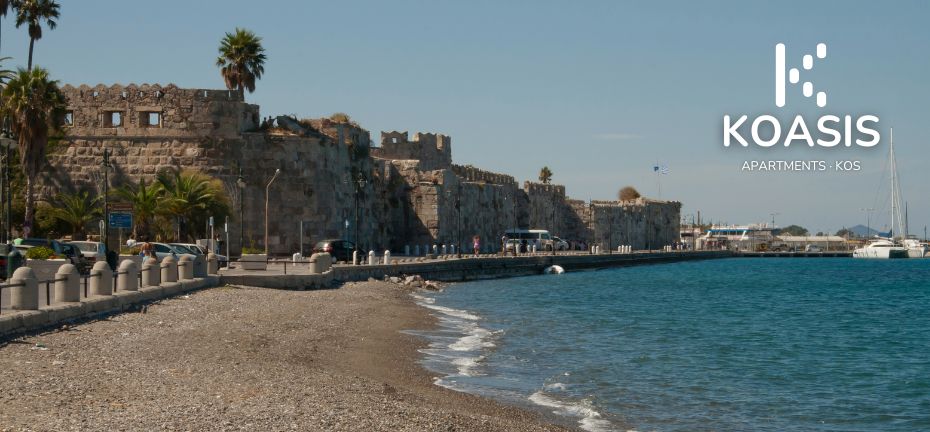
That said, visiting off-season is not without appeal. The town functions normally: shops, cafés, local restaurants. The historical sites are empty and often more moving for it. The Asklepion, the ancient agora, the Neratzia castle: these are places best appreciated without a crowd.
For those who want to visit Kos outside the context of a beach holiday, whether for history, for walking or for a quiet stay in the eastern Aegean, the winter months offer something genuinely different.
Best Time to Visit Kos by Type of Trip
First visit, want everything: June or early September. Both months offer the full experience of the island without compromise.
Beach-focused, warm water a priority: Late August to mid-September gives the warmest sea temperatures of the year. Pair it with the best beaches guide to plan your days.
Couples looking for a quieter stay: May or October. Fewer people, lower prices, the island at a more relaxed pace.
Families with school-age children: July and August are unavoidable for most, and the island handles peak season well. Book accommodation and car hire early.
Travellers on a tighter budget: April, May and October offer the best value. Prices across accommodation, restaurants and activities drop noticeably without the quality following.
History and culture first, beach second: April and October. The archaeological sites, the medieval castle, the old town: all are better with fewer visitors around.
How Long Do You Need?
Timing and duration go together. If you are coming for a week or more, almost any month from May to October works well. If you have three to five days, the shoulder months give you more of the island with less friction: shorter queues, more restaurant options, easier parking.
The ultimate Kos itinerary covers what to do across three days, five days and a full week, and applies equally to any of the months above.
Kos is one of the few Greek islands where the choice of month genuinely changes the character of the trip. If you have flexibility, September and June are the two months that consistently deliver the best combination of weather, sea conditions, crowd levels and value. If your trip is shaped by school holidays or other constraints, Kos in peak summer is still very good, but plan further ahead.