Kos in September: Weather, Crowds, Sea and What to Expect
September on Kos is built around a straightforward fact: the sea is at its warmest all year. The light has shifted into something softer and longer. And from the middle of the month, as the summer rush begins to ease, the island finds a pace that July and August rarely allow.
For anyone with flexibility in their travel dates, this guide makes the case for September specifically, and gives you the detail you need to plan a trip around it.
The Weather in September
Kos in September runs warm without the edge that July and August can carry. Early in the month, daytime temperatures sit in the high twenties to low thirties, easing to the mid-to-upper twenties by the final week. Evenings cool to around 20 to 22°C, which makes outdoor dining genuinely comfortable rather than something you endure.
Rain in September is rare. The island averages around two days of rainfall for the entire month, typically brief and passing. You are statistically unlikely to encounter more than an overcast afternoon.
The meltemi, the strong northerly wind that defines high summer on the Aegean, eases significantly by September. The north coast, which takes the full force of it in July and August, becomes much calmer. Beaches at Tigaki and Marmari that were difficult to sit on in August regain their appeal.
Humidity, which builds through summer, also drops through September. The heat becomes dry and comfortable rather than sticky.
The Sea Temperature
The sea in September is the warmest it will be all year. Kos sits in a section of the Aegean that accumulates heat through three solid months of summer sun, and the water does not give that heat back quickly. In early September, sea temperatures typically sit at 26 to 27°C, occasionally touching 28°C near the south coast. By the final days of the month, you are looking at 24 to 25°C, still among the warmest swimming conditions in the Mediterranean.
For comparison, the sea in June, which is already a very good month on Kos, runs at around 23 to 24°C. September's water is warmer. The combination of warmer sea and cooler air is one that most regular visitors to Greek islands recognise as the ideal.
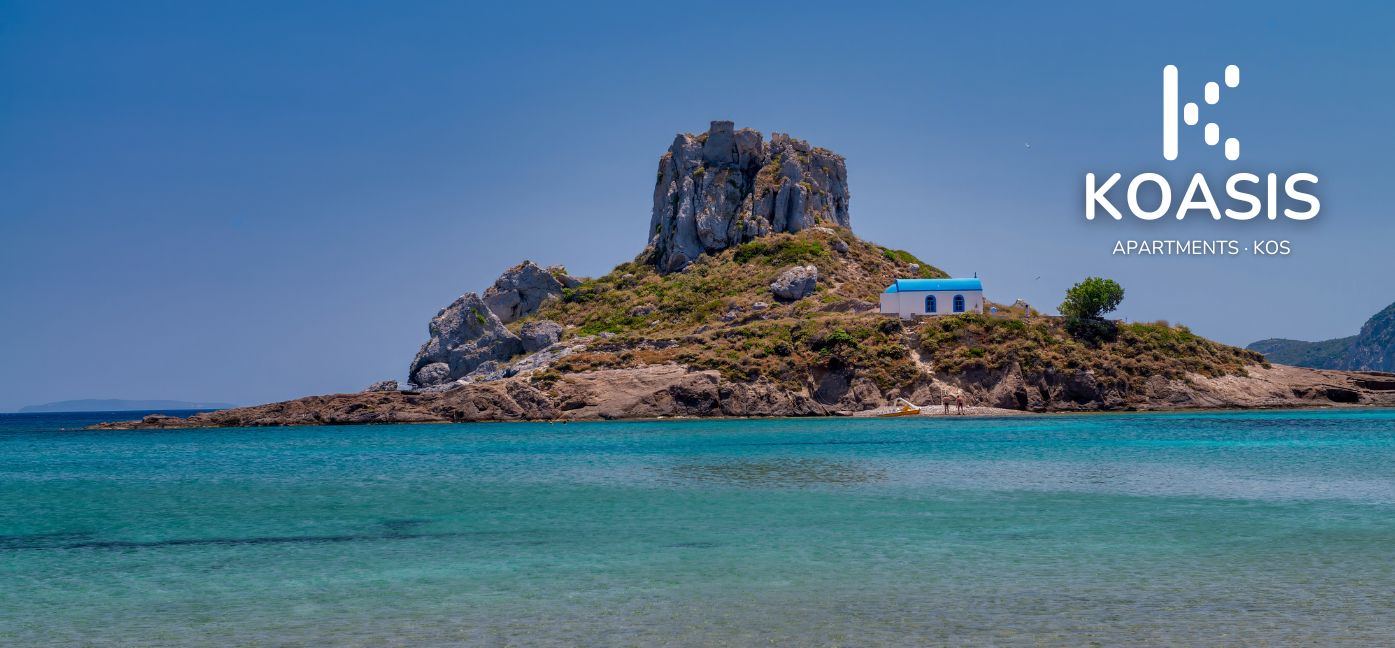
The south coast beaches, Kardamena, Paradise, Camel Beach and the long stretch toward Kefalos, benefit most. They are sheltered from northerly winds year-round, and in September the calmer sea and lower footfall make them particularly good.
Book your stay at KoasisThe Shift in Atmosphere
September does not change character overnight. The first half of the month runs much like August: beaches are busy, restaurants fill in the evenings, and the main tourist infrastructure operates at full pace. If you arrive in the first two weeks of September expecting the island to have quietened down, you may be surprised.
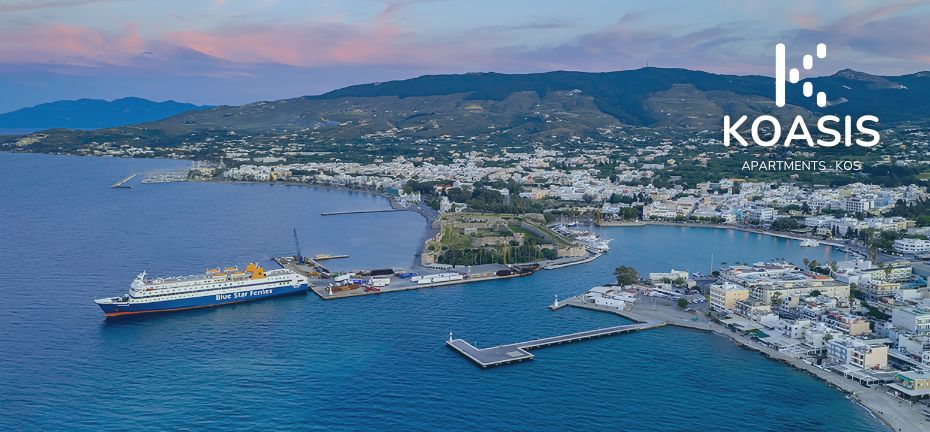
The shift begins from mid-September. Visitor numbers drop noticeably from around the 15th, and the island settles into a different rhythm. The morning market by the harbour becomes less hurried. The streets around the old town and the archaeological sites are easier to move through. Tables at the fish restaurants along the waterfront become available without planning ahead. The staff at those restaurants, who have been running at full capacity since June, have more time.
The beaches still have sunbeds out and bars open through the end of the month. The sea is warm. The practical difference from mid-September onward is space: at a beach, at a restaurant, on the roads.
For those with flexibility on exact dates, the second half of September offers the strongest combination of conditions on the island.
What Is Still Open in September
Everything that was open in July and August is still open in September. The full infrastructure of the Kos season is in place through at least the end of the month, and for most businesses into mid-October.
Beach bars and sunbed rental at all main beaches are operating. Water sports: jet skis, parasailing, pedal boats, remain available. The harbour is active with boat trips running to Nisyros, Kalymnos and the Turkish coast at Bodrum. Bike rental shops, which are one of the best ways to move around the island, are fully stocked.
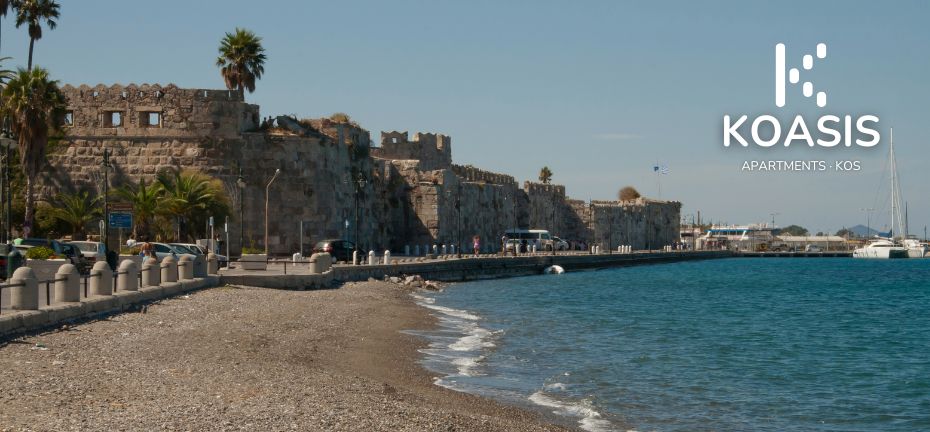
The archaeological sites operate normal summer hours through September. The Asklepion, the ancient city ruins in Kos Town, and the Neratzia Castle are all accessible, and are genuinely better visited in September than in the peak of summer.
Restaurants across the island continue operating through September, and many of the better ones are at their best. The kitchen pressure of August eases. Food comes out with more attention. The owner of a family taverna who was managing four tables simultaneously in peak summer can now spend time with you.
What to Do in Kos in September
Beach Days
The most straightforward use of September on Kos is beach time, and September genuinely delivers on this in a way August cannot always match.
The south coast is the standout in September. The stretch from Kardamena down to Kefalos includes some of the best beaches in the Dodecanese: long, sandy, backed by low hills, with water that is calm and completely transparent. Paradise Beach and the smaller coves near it are less visited in September and look better for it.
On the north coast, Tigaki is worth reconsidering in September if you avoided it in August. Without the meltemi, the shallow, warm water is one of the better family beach experiences on the island.
The Old Town and Archaeological Sites
Kos Town has one of the more underrated old quarters in the Aegean, a layered mix of ancient ruins, medieval streets, Ottoman mosques and Italian-era architecture that requires time rather than just passing through.
In September, you have the time. The Asklepion, the ancient healing sanctuary a few kilometres outside town, is extraordinary in the early morning or late afternoon in September. Without the peak summer heat and the tour groups that follow it, you can walk through the site at a pace where the scale of it actually registers.
The ancient agora in the centre of Kos Town, which is easy to walk past without registering in summer, deserves a slow hour in September.
Cycling the Island
Kos is one of the most cycle-friendly of all the Greek islands. The terrain is largely flat, there is a well-established coastal cycling path running along the north coast, and the distances between most key points on the island are manageable in a day.
September is the ideal month to do this. The temperature is comfortable enough for physical activity in a way that July and August rarely are. A half-day cycle from Kos Town along the coast toward Tigaki, continuing to Marmari, covers some of the best scenery on the island and ends at a beach where you can swim before cycling back.
Bike rental is available throughout September from multiple shops in Kos Town. Electric bikes, which have become widely available on the island, make the longer circuits straightforward regardless of fitness level.
Day Trips
The day trip connections from Kos remain fully operational through September, often with better availability than peak summer.
The Nisyros volcano is the most distinctive excursion available from Kos. Ferries run daily from the harbour, the crossing takes around 45 minutes, and the volcanic crater at Stefanos is unlike anything else in the Dodecanese. Visiting in September rather than August means you are not sharing the crater with a hundred other people.
Bodrum, on the Turkish coast, is directly accessible by ferry and makes a good full day. The crossing is around an hour, the old bazaar and the castle of St Peter are both worth the trip, and the contrast with Kos adds something to both places. Check current entry requirements before travelling.
Watching the Sun Go Down
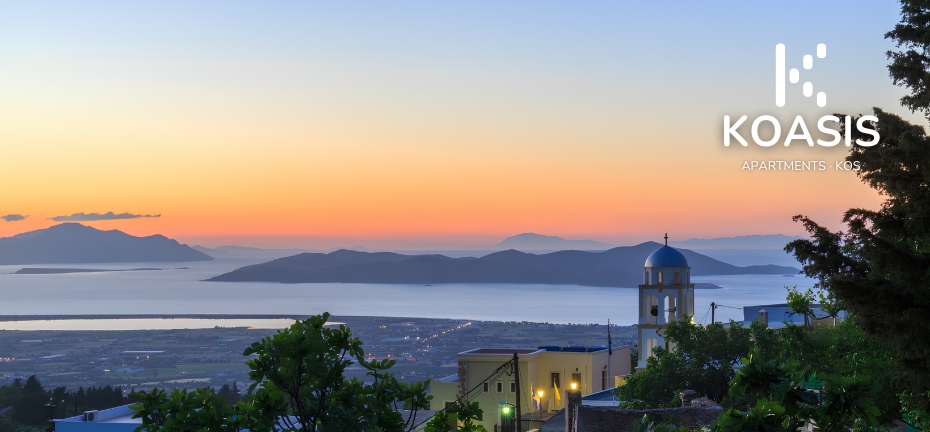
September evenings on Kos are long and warm. Sunset does not come until well past 7pm in early September, and the quality of the light at that hour is different from high summer.
Zia village, in the hills above Kos Town, is the most popular sunset point on the island and is far more pleasant to visit in September than in August, when the road and the village itself fill with traffic. A late afternoon drive up and a meal at one of the tavernas with a view is a straightforward evening that is hard to improve on.
Prices and Booking in September
Accommodation prices in September run lower than July and August, particularly from the second week onward. The gap is not always dramatic at the higher end of the market, but availability is significantly better and the flexibility of not having to book months in advance is real.
Flights to Kos from most northern European cities continue to run frequently through September, with direct routes from the UK, Germany, Scandinavia and the Netherlands all maintaining good schedules. Prices typically drop after the first week.
If you are targeting a stay in Kos Town specifically, rather than a resort elsewhere on the island, September is the month when the better-located accommodation becomes available without the extended lead time required in peak season.
Book your stay at KoasisWhat to Pack for September
Kos in September calls for light summer clothing throughout the day, with one or two layers for evenings, particularly toward the end of the month. Sandals for the beach and comfortable shoes for walking the old town cover most situations.
Sun protection remains important in September, perhaps more so than in July and August when people are primed for it. The UV index drops but stays significant, and the lower air temperature can make prolonged sun exposure feel more manageable than it is.
A light jacket for evenings in the final week of September is useful but not essential. Temperatures rarely drop below 20°C at night before October.
The Short Version
September on Kos gives you the warmest sea of the year and weather that is genuinely comfortable. The first half of the month runs at the pace of August, with everything fully open and busy. From mid-September, the island finds a quieter rhythm while the sea and weather remain excellent.
The result is a month that works well across its full length, and particularly well in its second half.
If the timing works for you, it is the clearest recommendation on the calendar.